Full INCI list and functional classes

9 ingredients, in label order. 0 of them are fragrance allergens that EU Regulation EC No 1223/2009 Annex III requires to be declared individually — most occur naturally in rose, bergamot and tonka bean, and the longer that list runs, the more natural fragrance material a formula generally carries.

Mica Mica Colorant A natural mineral that provides shimmer and slip.
Silica Silica Absorbent A spherical powder that scatters light for a soft-focus effect.
Simmondsia Chinensis Seed Oil Jojoba seed oil Emollient Chemically a liquid wax rather than an oil, which is why it is so exceptionally stable.
Caprylic/Capric Triglyceride Fractionated coconut oil Emollient A light ester made from coconut oil and glycerin, with a fresh, dry feel on the skin.
Magnesium Stearate Magnesium stearate Viscosity control A binding and pressing aid in pressed powders.
Rosmarinus Officinalis Leaf Extract Rosemary leaf extract Antioxidant A natural antioxidant, mainly protecting the oils in the formula.
Tocopherol Vitamin E (tocopherol) Antioxidant Vitamin E. In a formula its first job is keeping the oil phase from going rancid.
Iron Oxides Iron oxides Colorant The combination of yellow, red and black iron oxides is what determines every complexion shade.
Titanium Dioxide Titanium dioxide Colorant Used in this formula for color and coverage. It is also a mineral UV filter, but this product has had no sun protection efficacy testing filed for it, and therefore makes no sun protection claim whatsoever.
Teint · Complexion

Duo Enlumineur & Poudre Sculptante

Baked Soft-Focus Highlight & Contour Duo

¥680 4.91 340 reviews 9g / 0.31 oz

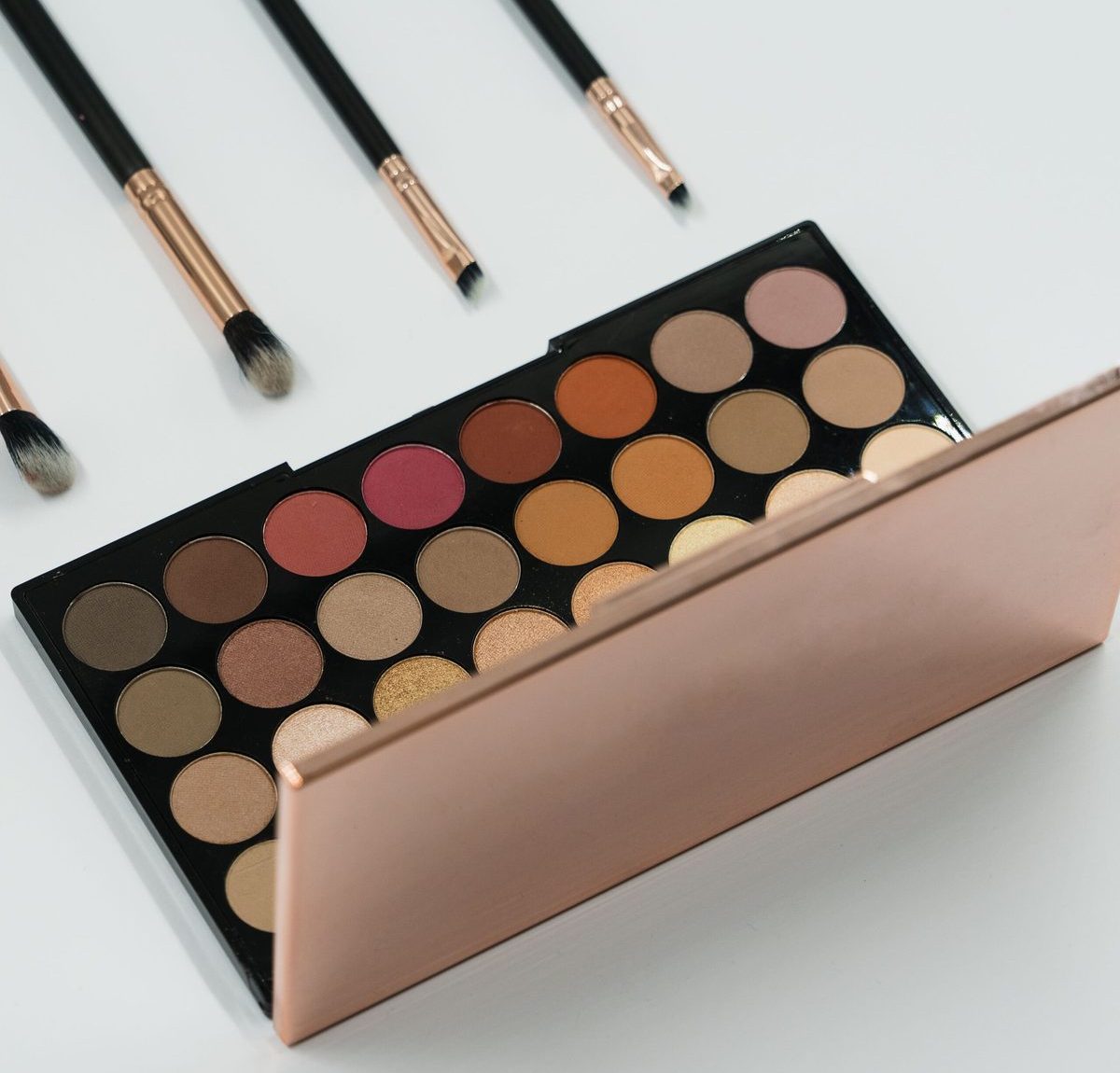
Champagne light paired with a desaturated grey-rose shadow, to sculpt the face in light and shade.

Shade · Teinte — #01 Perle Champagne Pearl Champagne
What to expect
  • Low-temperature baked powder — fine, and never dusty on skin
  • Two tonal families, cool to lift and warm to sculpt
  • Works dry, or wet with a damp brush
  • Talc-free
About the claims on this page This site is a theme demo and Maison Rosée is a fictional house. Every percentage on this page is labelled as a Maison panel test, not the conclusion of a clinical trial. Once you have bought the theme, replace all of it with figures of your own that you can substantiate.

Baked powder is made by pouring a wet slurry into the pan and drying it at low temperature over tens of hours. What comes out is less dense and looser, so it does not cake on the face, and its shimmer reads closer to the sheen of skin than to the flash of metal flake. Five shades cover the full span from cool champagne to warm terracotta, and all of them work wet or dry.

What baking actually changes

A conventional pressed powder is dry powder compacted under high pressure. A baked powder is mixed into a slurry, poured into the pan, and left for tens of hours at low temperature while the water leaves on its own. What remains is a cake of lower density with more space between particles, so a brush lifts a thinner, more even layer and the shimmer never piles up into a patch of glitter. The cost is a lower yield and far more hours on the line.
Aussi dans cette collection

More from this collection