Full INCI list and functional classes
10 ingredients, in label order. 3 of them are fragrance allergens that EU Regulation EC No 1223/2009 Annex III requires to be declared individually — most occur naturally in rose, bergamot and tonka bean, and the longer that list runs, the more natural fragrance material a formula generally carries.
L'Huile Précieuse de Rose
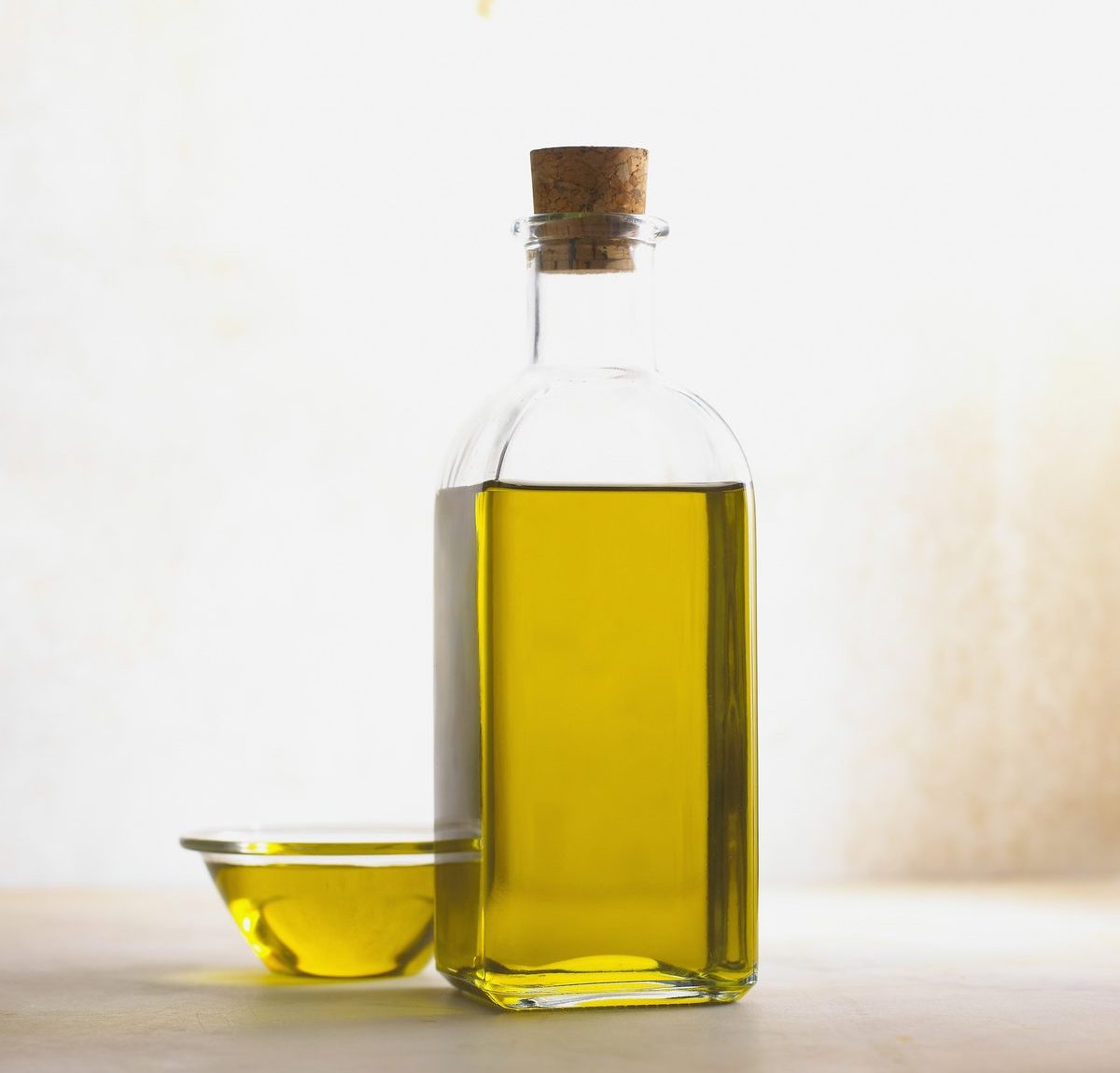
Rose Aurora Luminous Facial Oil
Damask rose absolute at its centre, five cold-pressed botanical oils and squalane around it, to give dry skin back the lipids it has lost.
- Lasting comfort through the night, for skin that feels dry and tight
- Maison panel test: after 28 days of continuous use, 82% of participants reported an improvement in the appearance of dryness lines
- Adds luminosity and helps makeup sit more evenly
- No synthetic colourants, no mineral oil
Every batch of absolute comes from petals picked at sunrise in the Bulgarian Rose Valley and fractionated cold, which preserves more than three hundred trace aromatic molecules. The base is plant squalane derived from sugarcane fermentation — a molecule close enough to human sebum that it absorbs quickly and leaves no film behind. Our formulator suggests two or three drops after your evening serum, warmed in the palms and pressed over the whole face.
Absolute: three thousand flowers for a single drop
The Damascena harvest window is unforgivingly short — petals must come off the bush within three hours of sunrise, or the volatile aromatic molecules rise away with the heat. That is the real reason rose absolute costs what it costs: not a scarcity story, but an agricultural clock that cannot be compressed.
We fractionate cold rather than distil hot. The yield is lower; the reward is that lower-boiling molecules such as phenylethanol and citronellol survive the process, so the scent stays closer to the flower itself than to the idea of “rose”.
The base: why squalane
Human sebum already contains squalene, but it oxidises readily. Hydrogenated into squalane it becomes far more stable while keeping that same kinship with skin. Ours is fermented from sugarcane — no animal origin.