Full INCI list and functional classes

12 ingredients, in label order. 0 of them are fragrance allergens that EU Regulation EC No 1223/2009 Annex III requires to be declared individually — most occur naturally in rose, bergamot and tonka bean, and the longer that list runs, the more natural fragrance material a formula generally carries.

Rosa Damascena Flower Water Damask rose water Solvent The water phase recovered when rose oil is distilled; it can replace part of the water in a formula.
Aqua Water Solvent The bulk of the formula. Labels write it as Aqua / Water / Eau.
Sodium Cocoyl Apple Amino Acids Sodium cocoyl apple amino acids Surfactant An amino-acid surfactant, able to work in the mildly acidic range.
Coco-Glucoside Coco-glucoside Surfactant A mild glucoside surfactant, usually blended with amino-acid surfactants.
Glycerin Glycerin Humectant One of the best-studied and least expensive humectants there is.
Panthenol Panthenol (provitamin B5) Humectant A precursor of vitamin B5 that both hydrates and soothes.
Chamomilla Recutita Flower Extract German chamomile flower extract Skin conditioning Chamomile, commonly used in soothing formulas.
Bisabolol Bisabolol Skin conditioning An active constituent of chamomile, which can also be obtained synthetically.
Xanthan Gum Xanthan gum Viscosity control A natural thickener obtained by microbial fermentation.
Citric Acid Citric acid pH adjuster Brings the pH of the formula down into the mildly acidic range.
Sodium Benzoate Sodium benzoate Preservative Only effective in a mildly acidic formula, which is why it is usually paired with citric acid.
Potassium Sorbate Potassium sorbate Preservative Works mainly against molds and yeasts.
Soins · Skincare

Gelée Démaquillante Pureté

Rose Hydrosol Micro-Crystal Cleansing Gel

¥490 4.88 412 reviews 150ml / 5.1 fl.oz

An amino-acid surfactant system that lifts everyday makeup gently and leaves skin without that tight feeling.

Size · Format
What to expect
  • Amino-acid surfactant system, no soap base
  • Around pH 5.5, close to the natural acidity of skin
  • Maison panel test: of 146 participants, 93% reported no tight feeling after cleansing
  • Formula passed ophthalmological and dermatological compatibility testing
About the claims on this page This site is a theme demo and Maison Rosée is a fictional house. Every percentage on this page is labelled as a Maison panel test, not the conclusion of a clinical trial. Once you have bought the theme, replace all of it with figures of your own that you can substantiate.

No soap base. The cleansing comes from a pair of mild surfactants, sodium cocoyl apple amino acids and coco-glucoside, in a formula adjusted to around pH 5.5 — the same slight acidity as healthy skin. Seventy per cent of the base is Damask rose hydrosol rather than water. Suited to everyday makeup; for heavy or waterproof makeup, start with an oil-based product.

pH 5.5 is not a marketing number

Healthy skin is covered by a slightly acidic sebum film sitting roughly between pH 4.7 and 5.7. A traditional soap-based cleanser usually runs above pH 9: it cleans powerfully, but it briefly pushes that film alkaline, and the skin then needs several hours to come back. Amino-acid surfactants can do their work inside the acidic range, and that — rather than the phrase “amino acid” — is the real reason they are gentle.
Aussi dans cette collection

More from this collection

BestsellerEditor’s choice

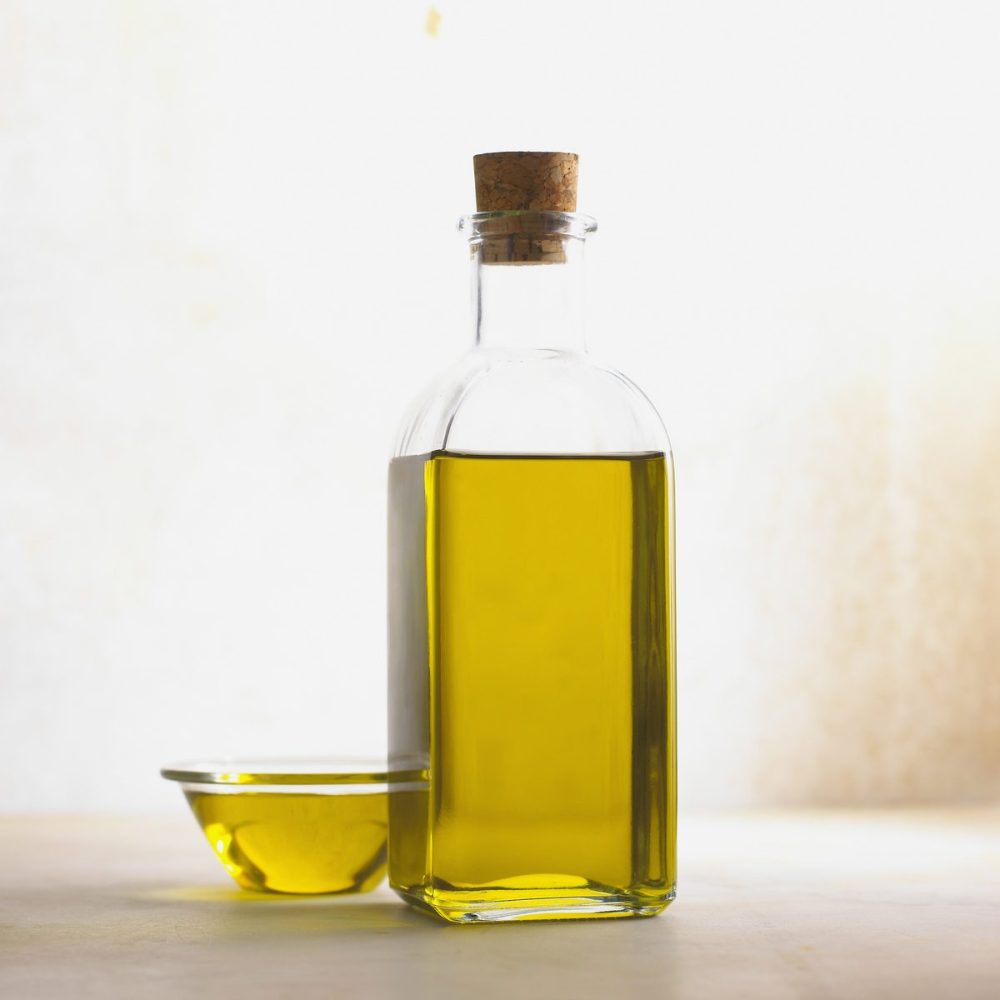
L'Huile Précieuse de Rose

Rose Aurora Luminous Facial Oil

Damask rose absolute at its centre, five cold-pressed botanical oils and squalane around it, to give dry skin back the lipids it has lost.

¥1,680